
Why Your Tax Refund Is Smaller Than Expected in 2026 – and What to Do About It
 Rick Patel
on
Rick Patel
on

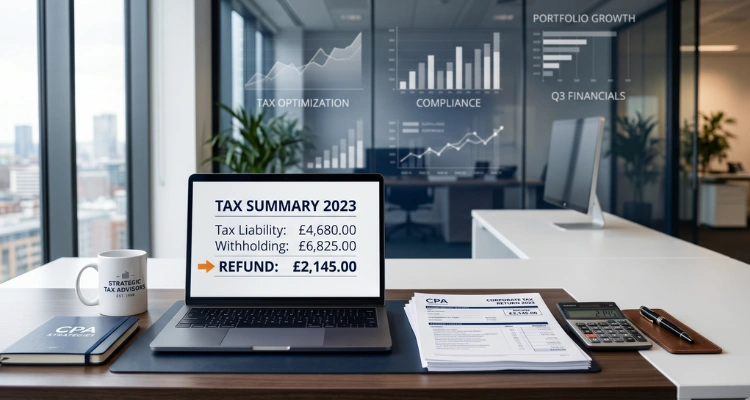
If you were expecting a bigger tax refund in 2026 but ended up with less, you are not alone.
Many taxpayers are surprised each year when their refund does not match their expectations.
It is easy to think of a tax refund as extra money, but in reality, it is simply the amount you overpaid to the government during the year. When that overpayment changes, your refund changes too.
Several factors can affect your refund, including tax law updates, changes in your income, and adjustments to credits or deductions. Even small differences in your financial situation can have a noticeable impact.
In this guide, you will learn why your tax refund may be smaller than expected in 2026 and what you can do about it.
How Tax Refunds Work
Before you can understand why your refund is smaller, it helps to know how tax refunds actually work.
Many people assume a refund is a bonus, but it is really just the return of money you paid in excess throughout the year.
When you earn income, your employer withholds taxes from your paycheck based on estimates. This amount is sent to the government on your behalf. At the end of the year, you file your tax return to calculate your actual tax liability.
If you paid more in taxes than you owed, you receive a refund. If you paid less, you owe money. Your refund is simply the difference between what you paid and what you actually owe.
Your withholding plays a big role in this process. If too much tax is withheld from your paycheck, your refund will be larger. If less is withheld, your refund will be smaller or you may owe money instead.
This is why your refund can change from year to year.
Even if your income stays the same, adjustments in withholding, credits, or deductions can affect the final amount.
Key Reasons Your Tax Refund Is Smaller in 2026
If your tax refund is smaller this year, there is usually a clear reason behind it.
Even small changes in your financial situation or tax rules can affect the final amount. Understanding these reasons can help you avoid surprises in the future.
Changes in Tax Laws and Regulations
Tax laws can change from year to year, and even minor updates can impact your refund.
Adjustments to tax brackets or policy updates may reduce the amount you get back.
These changes are often designed to balance tax payments more accurately throughout the year, which can lead to smaller refunds.
Adjustments in Tax Credits
Tax credits can have a big impact on your refund. If you no longer qualify for certain credits, or if the value of a credit has changed, your refund may decrease.
For example, changes to child tax credits or education credits can significantly affect your final amount.
Incorrect or Updated Withholding
Your employer determines how much tax is withheld from your paycheck based on the information you provide.
If your withholding has changed, it can directly affect your refund.
If less tax was withheld during the year, your refund will likely be smaller because you already paid closer to what you owe.
Higher Income or Additional Earnings
If you earned more income this year, including bonuses, freelance work, or investment income, your tax liability may have increased.
Even though earning more is positive, it can reduce your refund if your withholding did not fully account for the extra income.
Reduced Deductions
Deductions lower your taxable income, which can increase your refund.
If you have fewer deductions this year, your taxable income may be higher.
For example, if you switched from itemizing deductions to taking the standard deduction, or if you had fewer qualifying expenses, your refund could be smaller.
Impact of Life Changes on Your Tax Refund
Your personal life can have a bigger impact on your taxes than you might expect.
Even positive changes can affect your refund, sometimes reducing it.
If you got married or divorced, your filing status may have changed. This can affect your tax rate, deductions, and eligibility for certain credits. A new filing status often leads to a different refund amount.
Having children can also impact your taxes. While you may qualify for credits, changes in eligibility rules or income limits can affect how much you receive. In some cases, the benefit may be smaller than expected.
A new job or salary increase can also change your tax situation. If your income increases, you may move into a higher tax bracket or lose eligibility for certain credits. At the same time, your withholding may not fully adjust to your new income level.
Relocating to a different state can also play a role. State taxes vary, and moving may change how much tax you owe or how much is withheld.
These life changes are common, but they can make your tax situation more complex.
Understanding how they affect your refund can help you plan better for the future.
Common Mistakes That Reduce Your Refund
Sometimes, a smaller tax refund is not just the result of income changes or tax law updates.
It can also come down to simple mistakes when filing your return. These errors can reduce your refund without you even realizing it.
Here are some of the most common mistakes to watch out for:
- Filing Errors: Mistakes such as incorrect income reporting, missing details, or calculation errors can lead to adjustments by the IRS. These corrections may reduce your refund.
- Missing Deductions or Credits: If you do not claim all the deductions or credits you qualify for, you may end up paying more tax than necessary. This is one of the most common reasons for a lower refund.
- Incorrect Filing Status: Choosing the wrong filing status can affect your tax rate and eligibility for certain benefits. For example, filing as single instead of head of household may reduce your refund.
- Late Filing or Penalties: Missing deadlines or failing to pay taxes on time can result in penalties and interest. These amounts are often deducted from your refund.
By avoiding these common mistakes and reviewing your return carefully, you can help ensure that your refund is accurate and not lower than it should be.
What to Do If Your Tax Refund Is Smaller Than Expected
If your tax refund is smaller than you expected, the good news is that there are steps you can take to understand why and improve your situation moving forward.
Instead of guessing, you can take a more proactive approach to reviewing and adjusting your tax strategy.
Review Your Tax Return Carefully
Start by going through your tax return in detail. Check your income, deductions, credits, and filing status to make sure everything is accurate.
Look for any missing information or errors that could have reduced your refund. If you find a mistake, you may be able to correct it by filing an amended return.
Adjust Your Withholding
Your withholding determines how much tax is taken from your paycheck during the year.
If too little tax was withheld, your refund will be smaller.
You can update your withholding by submitting a new Form W-4 to your employer. This helps ensure that the correct amount is withheld going forward.
Maximize Available Deductions
Make sure you are claiming all the deductions you are eligible for.
This can include expenses related to education, healthcare, or business activities.
Keeping detailed records throughout the year can help you identify and claim these deductions more easily.
Take Advantage of Tax Credits
Tax credits directly reduce the amount of tax you owe, which can increase your refund. Review which credits you qualify for and ensure they are included in your return.
Credits such as education or child-related benefits can make a significant difference.
Plan Ahead for Next Year
The best way to avoid surprises is to plan ahead. Review your financial situation regularly and make adjustments as needed.
You may want to consult a tax professional to help you create a strategy that maximizes your refund and minimizes unexpected changes.
How to Increase Your Tax Refund in the Future
If you want to avoid a smaller refund next year, the key is to take a more structured and proactive approach to your taxes. Small changes throughout the year can make a big difference when it is time to file.
Here are practical steps you can follow:
- Plan Ahead Throughout the Year: Do not wait until tax season to think about your taxes. Regularly review your income, expenses, and tax situation so you can make adjustments early.
- Keep Accurate Records: Maintain records of receipts, expenses, and financial documents. This makes it easier to claim deductions and credits when you file your return.
- Use Tax Software or Professional Help: Tax tools and professionals can help you identify opportunities to reduce your tax liability. They can also ensure your return is accurate and complete.
- Review Your Withholding Regularly: Check how much tax is being withheld from your paycheck. If needed, update your Form W-4 to better match your actual tax situation.
- Conduct Periodic Financial Reviews: Take time during the year to review your finances. This helps you stay aware of any changes that could impact your taxes and allows you to act before it is too late.
By following these steps, you can take more control of your tax situation and improve your chances of receiving a better refund in the future.
Conclusion
If your tax refund was smaller than expected in 2026, it is important to understand that there is usually a clear reason behind it.
Changes in income, tax laws, credits, deductions, or even simple filing mistakes can all affect the final amount.
The key is not just to look at what happened this year, but to take steps that improve your tax situation moving forward. When you review your return, adjust your withholding, and plan ahead, you can avoid surprises and make better financial decisions.
However, tax rules can be complex, and it is not always easy to identify every opportunity on your own. This is where professional guidance can make a real difference.
Virtue CPAs offers expert tax support to help you understand your situation, identify opportunities, and ensure your tax filings are accurate and optimized.
Contact Virtue CPAs today for a consultation and get expert help to improve your tax strategy and financial planning.
Frequently Asked Questions