
IRS Staffing Concerns During Government Shutdown: What Businesses Need to Know
 kreativehumans
on
kreativehumans
on

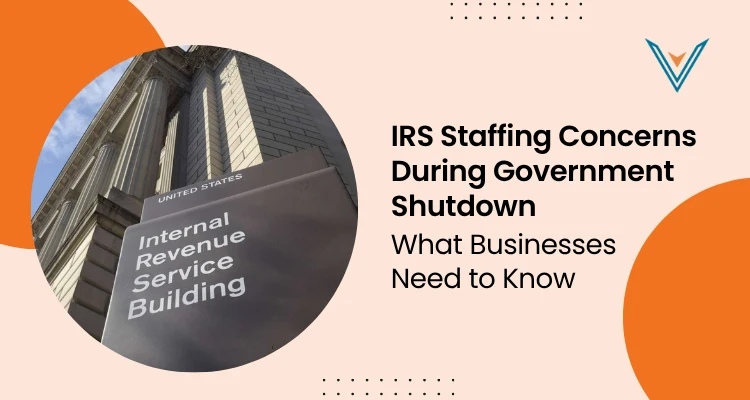
As Congress continues negotiations on federal funding, the American Institute of CPAs has raised urgent concerns about potential disruptions to IRS operations during a government shutdown. With critical tax deadlines approaching and the 2026 filing season preparation underway, business owners and taxpayers need to understand how reduced IRS staffing could impact their obligations and financial planning.
Current Situation
The IRS has implemented a contingency plan to maintain operations for the initial five business days of any government shutdown using available funds from the Inflation Reduction Act. This plan keeps more than 74,000 IRS employees working temporarily. However, if the shutdown extends beyond this period, significant service disruptions are expected.
Why This Matters for Your Business
The timing of this potential shutdown creates multiple challenges:
- Immediate Filing Deadlines: The October 15 extension deadline for business and individual tax returns falls during this critical period. C corporations and taxpayers who filed for extensions must submit their returns regardless of IRS staffing levels.
- 2026 Tax Season Preparation: The IRS typically begins intensive preparation for the upcoming filing season in October. Any delays in staffing could create cascading problems for the 2026 tax season, affecting processing times and customer service availability.
- New Tax Legislation Guidance: Implementation guidance for the One Big Beautiful Bill Act (H.R. 1) may be delayed if the IRS operates with reduced personnel. This new legislation affects numerous business tax provisions, and delayed guidance creates planning uncertainty for companies making strategic financial decisions.
Historical Context: Lessons from 2018-2019
The last major government shutdown lasted 35 days from December 2018 through January 2019, and it revealed significant vulnerabilities in the tax system during extended IRS closures:
- Taxpayers continued receiving automated collection notices, levy warnings, and asset seizure notifications with no available recourse or response mechanism
- Audit, examination, and appeals processes were suspended, leaving disputed tax matters unresolved while penalties and interest continued accumulating
- Online account access became unreliable, electronic payment systems experienced intermittent functionality, and critical tax document processing ground to a halt
- Phone lines were either non-operational or faced dramatically increased wait times, leaving identity theft victims and hardship cases without assistance
What You Should Do Now
While the duration and ultimate impact of the current situation remain uncertain, businesses and individuals should take proactive steps:
- Meet All Deadlines: Extension deadlines remain firm regardless of government operations. Ensure all October 15 returns are filed on time.
- Document Everything: Keep detailed records of any IRS notices received, payment attempts made, and communications sent during this period. This documentation will be valuable if disputes or questions arise later.
- Monitor Your Accounts: Regularly check your business accounts for any automated IRS activity, even if you cannot immediately reach someone to address concerns.
- Plan for Delays: If you’re expecting refunds, awaiting determination letters, or in the middle of an audit or appeals process, prepare for potential delays in resolution.
- Stay Informed: Tax policy developments can change rapidly during government funding negotiations. Working with a knowledgeable tax advisor ensures you receive timely updates relevant to your specific situation.
How Virtue CPAs Can Help
Our team is actively monitoring the government shutdown situation and its implications for our clients. We’re prepared to assist you with:
- Deadline Management: Ensuring all tax filings meet required deadlines, with proper documentation and compliance regardless of IRS staffing levels
- Strategic Planning Under Uncertainty: Helping you make informed business decisions even when official IRS guidance on new legislation is delayed
- Communication Support: Acting as your intermediary with the IRS when services resume, minimizing the time you spend navigating extended wait times and system delays
- Penalty and Interest Mitigation: Developing strategies to minimize or abate penalties and interest that may accrue during resolution delays caused by the shutdown
- Proactive Monitoring: Watching your accounts for automated notices and taking appropriate action to protect your interests
The uncertainty created by government shutdowns underscores the value of having an experienced tax advisor who can navigate complex situations and keep your business protected during periods of disruption.
If you have questions about how the government shutdown may affect your tax obligations or business planning, contact Virtue CPAs at (678) 952-9001 or info@virtuecpas.com. Our team is here to provide clarity and support during this uncertain time.