IRS Updates Guidance on Educational Assistance Programs
 kreativehumans
on
kreativehumans
on

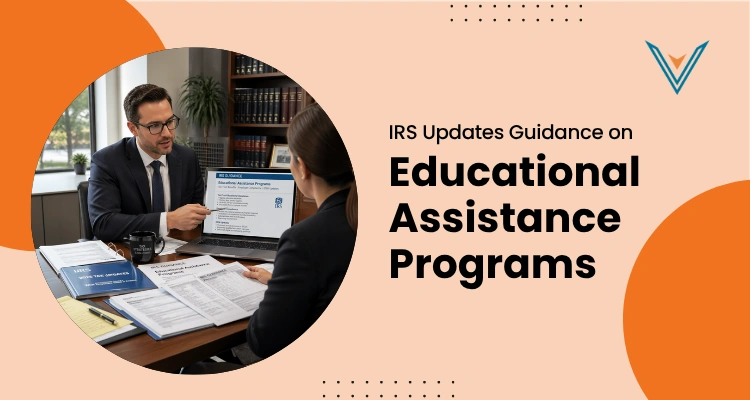
The IRS has released updated guidance on educational assistance programs under the One Big Beautiful Bill Act (OBBBA). If you are a business owner who offers — or is considering offering — education benefits to employees, this update matters. You now have clearer rules for structuring compliant programs and maximizing the tax advantages they provide.
What Changed in the IRS Guidance?
The IRS published a new fact sheet in April 2026 replacing earlier guidance from 2024. This updated FAQ clarifies how educational assistance programs operate under Section 127 of the Internal Revenue Code, with particular attention to student loan repayment assistance — an area that has seen growing employer interest.
Tax-Free Education Benefits: Up to $5,250 Per Employee Per Year
Under Section 127, employees can receive up to $5,250 per year in educational assistance without owing taxes on it. You do not report these benefits in Box 1 of their W-2 forms. For employees, it is real, immediate value. For you, it is an investment in your team that creates no unexpected tax burden for anyone.
One detail worth noting for 2026 planning: the $5,250 limit holds steady for both 2025 and 2026. The first inflation-adjusted increase — expected to move in $50 or $100 increments — will not take effect until January 1, 2027. You do not need to update your program mid-year.
What Kinds of Education and Loans Qualify?
The updated guidance covers a broad range of eligible expenses:
- Tuition and fees for degree programs
- Qualified student loan repayment assistance
- Professional training and certification courses
- Books, materials, and classroom supplies
How to Set Up a Compliant Program
The IRS provides a modified sample plan that employers can tailor to their needs. You can customize eligibility criteria (new hires, all employees, or specific roles), benefit timing, and how benefits apply to part-time employees — prorating is permitted.
One requirement that cannot be customized: your program must treat all employees fairly. You cannot structure benefits to favor owners, executives, or highly compensated employees over regular staff. This non-discrimination requirement applies to both eligibility conditions and benefit structures, and it is one of the most common compliance failures the IRS identifies during audits.
What You Should Do Now
If you already offer education benefits, review your program against the updated Section 127 guidance. If you do not yet offer education benefits, this is a practical time to consider launching one — the IRS provides a template, the rules are clearly defined, and the benefit supports employee retention without creating tax complexity for your team.
In either case, proper written documentation is not optional. Firms that cannot produce a compliant written plan during audits face significant challenges. Getting the documentation right from the start is far less costly than fixing it under IRS scrutiny.
How Virtue CPAs Can Help
Designing a Section 127 compliant educational assistance program requires careful attention to IRS requirements — from the non-discrimination rules to proper W-2 handling to documentation standards. At Virtue CPAs, we help Georgia business owners structure compliant programs using the IRS sample plan, audit existing plans for compliance gaps, and ensure accurate tax reporting throughout.
Whether you are launching a new program or reviewing one already in place, we will walk you through every step.
Ready to implement a compliant educational assistance program? Contact Virtue CPAs at (678) 952-9001 or info@virtuecpas.com to schedule a confidential consultation.
Disclaimer: This article is educational and does not constitute tax or legal advice. IRS guidance is subject to change. Consult a qualified tax professional before implementing educational assistance programs or relying on this information for your specific situation.