

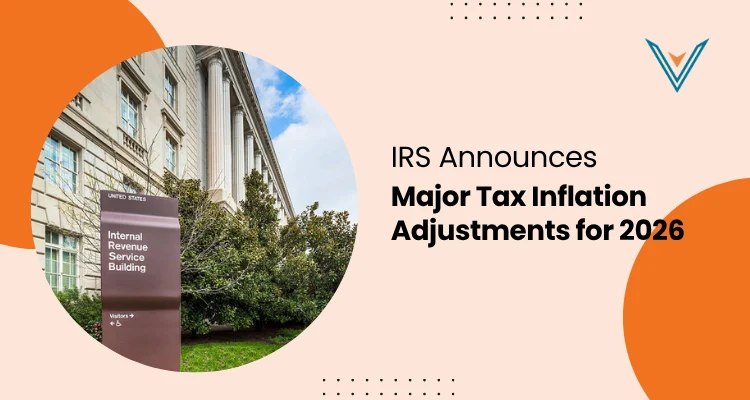
The Internal Revenue Service has released its annual inflation adjustments for tax year 2026, affecting more than 60 tax provisions that will impact both individual taxpayers and businesses. These changes, detailed in Revenue Procedure 2025-32, will apply to tax returns filed in 2027 and represent significant increases across multiple tax categories.
Enhanced Standard Deductions for 2025 and 2026
One of the most immediate changes affects tax year 2025, thanks to provisions in the One Big Beautiful Bill Act (OBBBA). The standard deduction has increased substantially:
Tax Year 2025 Increases:
- Married Filing Jointly: $31,500 (up $1,500)
- Single Filers: $15,750 (up $750)
- Head of Household: $23,625 (up $1,125)
Tax Year 2026 Adjustments:
- Married Filing Jointly: $32,200
- Single Filers: $16,100
- Head of Household: $24,150
These increases provide meaningful tax relief for millions of Americans and underscore the importance of strategic tax planning to maximize these benefits.
2026 Income Tax Brackets: Understanding Your Rate
The IRS has adjusted all income tax brackets for inflation. For tax year 2026, the threshold for the top tax rate of 37% rises to $640,600 for single filers and $768,700 for married couples filing jointly.
Complete 2026 Tax Bracket Structure:
| Tax Rate | Single Filers | Married Filing Jointly |
|---|---|---|
| 10% | Up to $12,400 | Up to $24,800 |
| 12% | $12,401 – $50,400 | $24,801 – $100,800 |
| 22% | $50,401 – $105,700 | $100,801 – $211,400 |
| 24% | $105,701 – $201,775 | $211,401 – $403,550 |
| 32% | $201,776 – $256,225 | $403,551 – $512,450 |
| 35% | $256,226 – $640,600 | $512,451 – $768,700 |
| 37% | Over $640,600 | Over $768,700 |
Understanding where your income falls within these brackets is crucial for effective tax planning and can inform important decisions about income timing, retirement contributions, and other strategic moves.
Alternative Minimum Tax (AMT) Adjustments
The AMT exemption amounts have increased for 2026:
- Single Taxpayers: $90,100 (up from $88,100), phasing out at $500,000
- Married Filing Separately: $70,100
- Married Filing Jointly: $140,200 (up from $137,000), phasing out at $1,000,000
These increases provide additional protection for taxpayers who might otherwise be subject to the AMT.
Enhanced Earned Income Tax Credit
The maximum Earned Income Tax Credit for qualifying taxpayers with three or more children increases to $8,231 for tax year 2026, up from $8,046 in 2025. This benefit provides critical support for working families across income levels.
Business-Related Adjustments
Several provisions affecting businesses have also been adjusted:
Transportation and Parking Benefits:
- The monthly limit for qualified transportation fringe benefits and qualified parking rises to $340 (up from $325)
Health Flexible Spending Arrangements:
- Employee salary reduction contributions increase to $3,400 (up $100)
- Maximum FSA carryover amount rises to $680 (up from $660)
Health Savings Account Thresholds:
- Self-only coverage annual deductible: $2,900 to $4,400
- Family coverage annual deductible: $5,850 to $8,750
- Out-of-pocket maximums also increased accordingly
International Tax Provisions
For taxpayers working abroad, the foreign earned income exclusion increases to $132,900 for tax year 2026, up from $130,000 in 2025. This adjustment helps American workers abroad maintain their purchasing power.
Estate Tax Exemption Update
A significant change affects estate planning: the basic estate tax exclusion amount has been set at $15,000,000 for deaths occurring in 2026, as prescribed by the OBBBA. This represents an increase from $13,990,000 in 2025. Future inflation adjustments to this new baseline will resume in 2027.
This substantial increase creates new planning opportunities for high-net-worth individuals and families to preserve wealth for future generations.
What These Changes Mean for You
These annual inflation adjustments serve an important purpose: preventing “bracket creep,” where inflation pushes taxpayers into higher tax brackets without any real increase in purchasing power. However, they also create both opportunities and complexities.
Action Items to Consider:
- Review Your Withholding: With new brackets and deductions, your current withholding may need adjustment to avoid surprises at tax time.
- Update Your Tax Planning Strategy: Higher exemptions and thresholds may create opportunities for Roth conversions, charitable giving strategies, or income acceleration.
- Revisit Estate Plans: The increased estate tax exemption opens new wealth transfer strategies for high-net-worth families.
- Optimize Business Benefits: Employers should review their benefit offerings to take full advantage of increased limits on FSAs, HSAs, and transportation benefits.
- Plan for 2027 Filing: While these changes apply to 2026, they’ll impact returns filed in 2027, making proactive planning essential now.
How Virtue CPAs Can Help
At Virtue CPAs, we understand that staying current with annual tax law changes is just the beginning. The real value comes from translating these adjustments into actionable strategies tailored to your specific financial situation.
Our experienced tax professionals specialize in:
- Proactive Tax Planning: Identifying opportunities within the new brackets and exemptions to minimize your tax burden
- Business Tax Strategy: Optimizing employee benefits and business deductions under the updated rules
- Estate and Trust Planning: Leveraging the increased exemptions for wealth preservation
- Multi-State Compliance: Ensuring your tax strategy accounts for both federal changes and state-level implications
- Real-Time Advisory: Using AI-powered accounting to provide faster, more accurate insights throughout the year
Whether you’re an individual taxpayer, a growing business, or a high-net-worth family, these inflation adjustments likely create specific opportunities for your situation. Our team stays ahead of these changes, so you don’t have to.
Schedule Your Tax Planning Consultation
Don’t wait until tax season to understand how these changes affect you. Our proactive approach means identifying opportunities and addressing challenges well before you file.
Contact Virtue CPAs today:
- Phone: (678) 952-9001
- Email: info@virtuecpas.com
- Address: 11675 Rainwater Drive, Suite 150, Alpharetta, GA 30009
Visit our website at virtuecpas.com to learn more about our comprehensive tax planning and advisory services.