Hospitality Tax Deductions 2026: Write-Offs for Hotels & Restaurants
 Rick Patel
on
Rick Patel
on

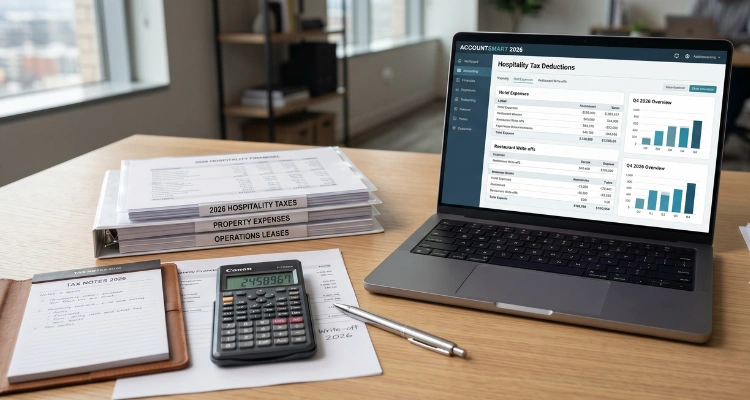
Running a hotel or restaurant in 2026 comes with rising costs, tight margins, and constant operational challenges.
If you own or manage a restaurant, hotel, café, bar, catering business, or resort, understanding which expenses you can legally write off is extremely important.
Even smaller deductions that seem insignificant on their own can add up to substantial annual savings when tracked properly.
Many hospitality business owners miss valuable deductions simply because they do not keep detailed records or fail to plan taxes throughout the year. Others wait until tax season to organize expenses, which can make it harder to maximize deductions and maintain compliance.
Proper tax planning is not just about reducing taxes. It also helps you:
- Improve profitability
- Manage operating costs more effectively
- Strengthen cash flow
- Avoid tax reporting mistakes
- Prepare for audits more confidently
The hospitality industry also has unique deductible expenses that differ from those of many other businesses.
Staff meals, linen services, kitchen equipment, reservation software, promotional campaigns, and food inventory are just a few examples of expenses that may qualify for deductions.
Hospitality has its own tax rulebook. Virtue CPAs works with hotels, restaurants, cafés, bars, and catering operators to uncover deductions that generic accounting often misses, especially around tipped wages, food inventory, and capital purchases.
In this guide, you will learn about the key hospitality tax deductions available in 2026.
Key Takeaways
- Most day-to-day hospitality expenses are deductible, including rent, utilities, payroll, food inventory, cleaning, laundry, and routine maintenance.
- Marketing spends across digital ads, SEO, websites, printed menus, signage, and influencer or PR campaigns can usually be written off when tied to the business.
- Equipment and assets such as ovens, refrigerators, POS systems, furniture, and software may qualify for immediate deductions or depreciation depending on the asset type and cost.
- Business travel, supplier meetings, industry conferences, and certain meals can be partially or fully deducted when properly documented.
- Employee-related deductions are among the biggest, covering wages, payroll taxes, benefits, training, uniforms, recruitment, and wellness programs.
- Strategic timing matters. Year-end purchases of equipment or furniture can shift deductions into the current tax year and improve cash flow planning.
- Quarterly expense reviews, digital recordkeeping, and accounting software make the difference between claiming what you are owed and leaving money on the table.
What Are Tax Deductions?
Tax deductions are business expenses that you can subtract from your taxable income.
In simple terms, deductions lower the amount of income your business is taxed on.
For example, if your restaurant earns $500,000 in revenue but has $350,000 in deductible business expenses, you are taxed on the remaining profit rather than the full revenue amount.
Common deductible hospitality expenses may include:
- Rent
- Utilities
- Payroll
- Food inventory
- Marketing
- Equipment purchases
- Cleaning services
The IRS explains deductible business expenses on the IRS Deducting Business Expenses page.
Why Tax Planning Matters for Hotels & Restaurants
The hospitality industry often operates on thinner profit margins compared to many other sectors.
Rising food costs, labor expenses, and seasonal fluctuations can put pressure on your cash flow throughout the year.
Effective tax planning can help you:
- Reduce taxable income
- Improve year-end profitability
- Manage cash flow more efficiently
- Avoid missed deductions
- Prepare for audits more confidently
Instead of treating taxes as a once-a-year task, many successful hospitality businesses use year-round tax planning to track expenses and make smarter financial decisions.
Who Can Claim Hospitality Tax Deductions?
Many types of hospitality businesses may qualify for industry-related tax deductions.
These may include:
- Hotels
- Restaurants
- Cafés
- Bars
- Catering companies
- Resorts
- Food trucks
- Hospitality groups
Whether you run a small local café or a large hotel operation, keeping organized financial records is essential for claiming deductions properly.
The more accurately you track your business expenses throughout the year, the easier it becomes to maximize legitimate write-offs while staying compliant with tax regulations.
Operating Expenses Hotels & Restaurants Can Deduct
Operating expenses make up a sizable portion of hospitality business costs.
The good news is that many day-to-day expenses required to run your hotel or restaurant may qualify as tax deductions.
Tracking these expenses carefully throughout the year can help reduce taxable income and improve overall profitability.
Rent and Lease Payments
If you lease commercial space for your hotel, restaurant, café, or bar, those rent payments are tax-deductible.
This may include:
- Restaurant building rent
- Hotel property lease payments
- Storage facility rentals
- Kitchen equipment leasing
- Office space leases
Leasing equipment instead of purchasing it outright may also provide additional tax advantages in some situations.
Utility Bills
Utility costs are often significant in the hospitality industry, especially for businesses operating long hours or managing large properties.
Deductible utility expenses may include:
- Electricity
- Gas
- Water
- Trash removal
- Internet services
- Telephone systems
Hotels and restaurants usually consume substantial energy daily, making utility deductions an important category for tax savings.
Staff Wages and Employee Benefits
Employee-related expenses are typically among the largest deductions hospitality businesses can claim.
Deductible payroll expenses may include:
- Salaries and hourly wages
- Overtime pay
- Bonuses
- Payroll taxes
- Health insurance contributions
- Retirement contributions
- Staff uniforms
- Employee meals provided during shifts
The IRS provides payroll tax guidance on the IRS Employment Taxes page.
Food and Beverage Inventory
Restaurants, bars, cafés, and hotels can usually deduct food and beverage inventory costs used for business operations.
Examples include:
- Ingredients
- Alcohol inventory
- Coffee supplies
- Kitchen consumables
- Packaging materials
- Disposable serving products
Proper inventory tracking is important because inaccurate inventory reporting can affect deductions and profit calculations.
Cleaning and Laundry Costs
Hospitality businesses spend heavily on cleanliness and maintenance, making these expenses important for deductible categories.
Common deductible cleaning expenses include:
- Linen and towel services
- Laundry services
- Cleaning chemicals
- Housekeeping supplies
- Sanitization services
- Pest control
Hotels especially rely on ongoing cleaning and laundry operations to maintain guest satisfaction and operational standards.
Not sure which operating expenses qualify for hospitality tax deductions? Talk to a CPA today.
Marketing and Advertising Tax Write-Offs
Marketing is essential for attracting guests, increasing reservations, and building brand awareness in the hospitality industry.
Whether you run a hotel, restaurant, café, or bar, many advertising and promotional expenses may qualify as tax deductions if they are related to your business.
As competition continues to grow in 2026, marketing expenses are becoming a larger part of hospitality budgets, making these deductions even more valuable.
Digital Marketing Expenses
Many hospitality businesses now rely heavily on digital marketing to attract customers and increase online visibility.
Deductible digital marketing expenses may include:
- Social media advertising
- Google Ads campaigns
- Search engine optimization (SEO) services
- Email marketing software
- Online booking promotions
- Content marketing services
For example, if you pay an agency to improve your restaurant’s local search rankings or run paid ads promoting hotel bookings, those costs are considered deductible business expenses.
Website Development and Hosting
Your website is often one of the most important marketing tools for your hospitality business.
Common deductible website-related expenses may include:
- Website design and development
- Booking engine software
- Website hosting fees
- Domain registration
- Maintenance and security updates
- Online reservation systems
A well-maintained website can directly support bookings, reservations, and customer engagement while also providing potential tax benefits through deductible business expenses.
Promotional Materials
Traditional marketing materials are still widely used across the hospitality industry and may also qualify for deductions.
Examples include:
- Printed menus
- Flyers and brochures
- Business cards
- Promotional banners
- Signage
- Event marketing materials
These expenses are deductible when used to promote your business and attract customers.
Influencer and PR Campaigns
Many restaurants and hotels now collaborate with influencers, bloggers, travel creators, and public relations agencies to improve visibility and attract new customers.
Potential deductible expenses may include:
- Influencer partnerships
- Sponsored content campaigns
- Public relations services
- Media event costs
- Brand promotion campaigns
If the expense serves a legitimate business purpose, it may qualify as a marketing deduction.
Keeping detailed invoices, contracts, and payment records for all marketing activities can help support your deductions and simplify year-end tax preparation.
Want to make sure your marketing spend is getting fully written off? Get a free expense review.
Equipment and Asset Deductions
Hotels and restaurants rely heavily on equipment, furniture, and technology to operate efficiently. From kitchen appliances to reservation systems, these business assets can represent a major investment.
Fortunately, many of these purchases may qualify for tax deductions or depreciation benefits.
Restaurant kitchens and hotel food service operations often require expensive equipment that may qualify for deductions.
Common deductible kitchen assets include:
- Ovens
- Refrigerators
- Freezers
- Coffee machines
- Dishwashers
- Mixers and prep equipment
- Ice machines
Depending on the cost and applicable tax rules, some equipment may qualify for immediate deductions while others may need to be depreciated over time.
The IRS provides information about business asset deductions on the IRS Depreciation Guidance.
Furniture and Fixtures
Hotels and restaurants also invest heavily in furniture and interior fixtures.
Potential deductible assets may include:
- Restaurant tables and chairs
- Hotel room furniture
- Bar counters
- Lighting fixtures
- Reception desks
- Outdoor seating
- Decorative business fixtures
These purchases are considered business assets and may qualify for depreciation or write-offs depending on the situation.
Technology and POS Systems
Technology expenses continue growing across the hospitality industry as businesses adopt digital tools to improve operations and customer experience.
Deductible technology-related assets may include:
- Point-of-sale (POS) systems
- Reservation software
- Security systems
- Computers and tablets
- Payment processing hardware
- Guest management software
- Inventory tracking systems
Many hospitality businesses also deduct monthly software subscriptions related to business operations.
Capital Allowances and Depreciation
Not every equipment purchase is deducted in full immediately. Some assets must be depreciated over several years, depending on tax regulations and the type of asset.
Here is a simplified comparison:
| Asset | Immediate Deduction | Depreciation Applies |
|---|---|---|
| Small Office Equipment | Often Yes | Sometimes |
| Large Kitchen Equipment | Sometimes | Yes |
| Hotel Furniture | Usually No | Yes |
| POS Systems | Often Yes | Sometimes |
Depreciation allows you to spread the cost of expensive assets over their useful life instead of deducting everything in one tax year.
Because asset deduction rules can become complex, many hospitality business owners work with accountants to determine the best tax treatment for major purchases.
Proper documentation and purchase records are also important for supporting these deductions during tax filing.
Travel, Entertainment, and Business Meal Deductions
Hospitality businesses often involve travel, networking, supplier meetings, and client entertainment.
Some of these expenses may qualify as tax deductions when they are directly connected to your business operations.
However, travel and meal deductions are also closely monitored by tax authorities, so proper documentation is extremely important.
Business Travel Expenses
If you travel for legitimate business purposes, many of those costs may be deductible.
Common deductible travel expenses may include:
- Supplier meetings
- Hospitality trade shows
- Industry conferences
- Hotel inspections
- Business networking events
- Transportation costs
- Flights and hotel stays for business trips
For example, if you travel to attend a restaurant industry expo or inspect hotel properties, those travel-related expenses may qualify as business deductions.
The IRS explains travel deductions in the IRS Travel Expenses Guidance.
Meals with Clients or Business Partners
Business meals may also qualify for partial tax deductions when they are related to business discussions or operations.
Examples may include:
- Meetings with suppliers
- Investor discussions
- Business networking meals
- Partnership negotiations
To support these deductions, you should maintain records showing:
- Date and location
- Purpose of the meeting
- Individuals who attended
- Receipts and payment records
It is important to remember that not all meals are fully deductible, and deduction percentages may vary depending on current tax rules.
Staff Events and Hospitality
Certain employee-related hospitality expenses may also qualify as deductions.
These may include:
- Staff holiday parties
- Team-building events
- Employee appreciation meals
- Training sessions
- Company celebrations
These activities may support employee morale and business operations while also providing potential tax benefits.
What Is Not Deductible?
Not every entertainment or travel expense qualifies for deductions.
Non-deductible expenses may include:
- Personal vacations
- Family travel unrelated to business
- Personal entertainment activities
- Non-business luxury expenses
Mixing personal and business expenses can create problems during tax filing or audits, so it is important to separate them carefully.
Tax Deductions for Employee-Related Expenses
Employees are one of the biggest investments in the hospitality industry.
Properly tracking employee expenses can help reduce taxable income while supporting smoother business operations.
Staff Training and Certifications
Training is essential in hospitality because employees often need to meet service, safety, and compliance standards.
Deductible training expenses may include:
- Hospitality management courses
- Food safety certifications
- Alcohol service training
- Customer service workshops
- Management development programs
- Online training subscriptions
Investing in employee development can improve service quality while also creating potential tax benefits for your business.
Employee Uniforms and Protective Clothing
Many hospitality businesses require staff to wear uniforms or protective equipment as part of daily operations.
clothing-related expenses may include:
- Branded uniforms
- Chef jackets
- Aprons
- Non-slip shoes
- Kitchen gloves
- Protective safety equipment
In most cases, clothing must be specifically required for work and not suitable for everyday personal use to qualify as a deduction.
Recruitment and Hiring Costs
Hiring employees can be expensive, especially in the hospitality industry where turnover rates are often high.
Potential deductible hiring expenses may include:
- Job advertisements
- Recruitment agency fees
- Background checks
- Hiring event costs
- Interview travel expenses
- Applicant screening software
These costs are considered ordinary business expenses tied directly to staffing operations.
Employee Wellness Programs
Some hospitality businesses also invest in employee wellness and support programs to improve retention and workplace satisfaction.
Potential deductible wellness expenses may include:
- Employee health benefits
- Mental health support programs
- Wellness initiatives
- Staff assistance programs
- Certain workplace health services
The IRS provides employer benefit guidance on the IRS Employee Benefits page.
Keeping organized payroll records, invoices, and employee documentation can help support these deductions and simplify tax reporting throughout the year.
]Worried about payroll, tipped wages, or staff benefit deductions? Schedule a hospitality tax consultation.
Tips to Maximize Hospitality Tax Deductions in 2026
Tax planning in the hospitality industry is not something you should only think about during the tax season.
The most financially successful hotels and restaurants usually track expenses consistently throughout the year and stay proactive about managing deductions.
When your records are organized and your expenses are monitored regularly, it becomes much easier to reduce taxable income legally and avoid leaving money on the table.
Use Accounting Software
If you still use spreadsheets or paper receipts, managing hospitality expenses can quickly become overwhelming.
Restaurants and hotels handle large volumes of transactions every week, from payroll and vendor invoices to food inventory and maintenance costs.
Using accounting software can help simplify the process by automatically tracking expenses, organizing receipts, and generating financial reports. Many systems also integrate directly with POS platforms, payroll software, and booking systems, which saves time and reduces manual errors.
Cloud-based accounting tools are especially helpful because they allow you and your accountant to access records anytime throughout the year.
Keep Digital Receipts and Records
One of the biggest reasons businesses lose deductions is poor recordkeeping.
Even legitimate expenses can become difficult to claim if you cannot provide proper documentation.
A simple habit like scanning receipts or storing invoices digitally can make an enormous difference later. Keeping organized records for vendor payments, travel expenses, equipment purchases, and employee costs not only helps during tax filing but also protects your business if you are ever audited.
The IRS recommends maintaining accurate business records.
Work with Hospitality Tax Professionals
Hospitality accounting is different from many other industries.
Hotels and restaurants deal with unique financial challenges such as tipped employees, food inventory, seasonal revenue changes, equipment depreciation, and payroll complexities.
Working with a tax professional who understands the hospitality industry can help you identify deductions you might otherwise overlook. An experienced accountant can also help you structure purchases strategically, improve compliance, and reduce the risk of costly filing mistakes.
For growing hospitality businesses, professional tax planning often pays for itself through improved financial efficiency and larger legitimate deductions.
Review Expenses Quarterly
Waiting until year-end to review your finances can create unnecessary stress and missed opportunities.
A better approach is to review expenses every quarter. This gives you time to spot unusual spending patterns, identify missing records, and make smarter budgeting decisions before tax deadlines arrive.
Quarterly reviews also help you stay aware of profitability trends, which is especially important in the hospitality industry, where seasonal fluctuations can significantly impact cash flow.
Plan Purchases Strategically
The timing of major purchases can affect your deductions as well.
For example, if your restaurant plans to upgrade kitchen equipment or your hotel needs modern furniture, purchasing those assets before year-end could increase available deductions for the current tax year.
Strategic planning allows you to balance operational needs with tax-saving opportunities instead of making rushed financial decisions at the last minute.
Ultimately, maximizing hospitality tax deductions comes down to staying organized, planning, and understanding where your business is spending money throughout the year.
Conclusion
Running a hotel or restaurant comes with constant financial pressure, especially as operating costs continue rising in 2026.
The good news is that many of these expenses may qualify as legitimate tax deductions when tracked and documented properly. Even smaller write-offs that seem insignificant on their own can create substantial annual savings over time.
Effective tax planning is not just about reducing taxes at the end of the year. It is about improving profitability, strengthening cash flow, and helping your business operate more efficiently year-round.
Because hospitality accounting can become complex, many business owners choose to work with professionals who understand the industry’s unique financial challenges.
At Virtue CPAs, you can receive specialized accounting, tax planning, and financial consulting support tailored to hospitality businesses. Whether you operate a restaurant, hotel, café, bar, or catering company, their team can help you maximize deductions, improve bookkeeping, and build smarter tax strategies for long-term growth.
Contact Virtue CPAs today for professional tax guidance and personalized consultation on how to reduce tax liability and strengthen your hospitality business finances in 2026.
Frequently Asked Questions